Top 10 High-Paying Jobs in Zambia That Don’t Require a Degree
Not everyone wants to spend four or more years at university, and that’s perfectly okay.
A university degree can open many doors, but it isn’t the only way to build a good career. In Zambia, there are people making a living through skilled trades, sales, transport, construction, beauty services and digital work without ever going to university.
What often matters is having a skill that people are willing to pay for, gaining experience and building a good reputation.
For school leavers thinking about what to do after Grade 12, or anyone looking for a career change, learning a practical skill can sometimes be a much faster way to enter the job market or start a business.
Here are 10 jobs in Zambia that don’t necessarily require a university degree and can offer good earning opportunities when you become good at what you do.
Important: There is no guaranteed salary for any of these careers. What you earn can depend heavily on your experience, location, employer, customers and demand for your services.
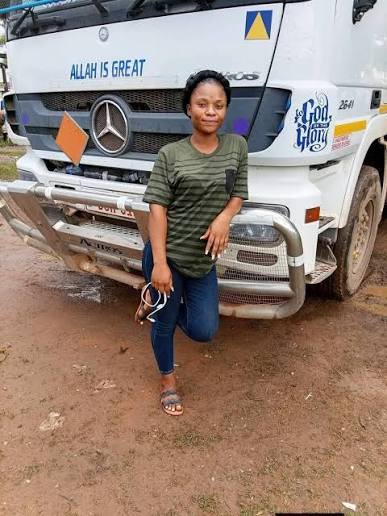
1. International Truck Driver
If you’ve ever travelled along Zambia’s major highways, you’ve probably seen the long lines of trucks carrying goods across the region.
International truck driving can be a good career option for experienced drivers, particularly those working on cross-border routes.
Drivers may transport goods between Zambia and countries such as Tanzania, Zimbabwe, Botswana, Namibia and the Democratic Republic of Congo.
But becoming an international truck driver involves more than simply knowing how to drive a truck. You may need the correct driving licence, professional qualifications, experience and the documentation required for cross-border travel.
Why can it pay well?
- Long-distance routes
- Demand for experienced drivers
- Possible travel allowances and other benefits
- Opportunities with logistics and transport companies
For someone who enjoys travelling and is comfortable spending time on the road, it can be an interesting career path.
2. Real Estate Agent
If you’re good at talking to people, negotiating deals and building relationships, real estate could be worth considering.
Real estate agents help people find, rent, buy or sell properties. Unlike a traditional salaried job, earnings can often depend on commissions, so an agent who closes more deals has the potential to earn more.
You don’t necessarily need a university degree to start learning the business, but you do need to understand the property market and develop skills in areas such as contracts, marketing, negotiation and customer service.
Skills that can make a difference
- Communication
- Negotiation
- Sales
- Networking
- Customer service
- Digital marketing
The interesting thing about real estate is that it can eventually grow into a business of its own. With experience and a strong network, an agent can build a property business and work with multiple clients.
3. Electrician
Almost every home, office, shop, school and construction project needs electrical work.
That’s why electricians continue to be important in Zambia.
Electricians install wiring, repair electrical faults, maintain systems and work on electrical installations in residential, commercial and industrial settings.
Instead of spending years pursuing a university degree, someone interested in this career can take technical or vocational training and then build practical experience.
There are also different directions an electrician can take, including:
- Residential electrical work
- Commercial installations
- Industrial electrical work
- Electrical maintenance
- Solar installation
- Electrical repairs
One major advantage is that an experienced electrician doesn’t necessarily have to work for someone else forever. With the right skills and tools, you can eventually take on your own customers and build a business.
4. Plumber
Nobody thinks much about plumbing until something goes wrong.
A blocked drain, leaking pipe or broken water system can quickly become an emergency, which is why good plumbers are always needed.
Plumbers install and repair pipes, drainage systems, taps, toilets, water tanks and other plumbing systems.
Their services are needed in homes, offices, hotels, schools, shops and construction projects.
The more experience you gain, the more services you can offer. You can also build a reputation through reliable work and referrals from satisfied customers.
Useful plumbing skills include:
- Pipe installation
- Leak detection
- Drainage work
- Water system maintenance
- Basic construction knowledge
Eventually, a plumber with enough experience can move from doing individual jobs to running a plumbing business.
5. Professional Barber
You don’t need a university degree to become a barber.
What you do need is skill, consistency and customers.
Barbering can be a surprisingly good business for someone who takes the craft seriously. Haircuts, beard grooming, styling and other personal-care services can provide a regular source of income.
The biggest advantage is that you can start small.
You might begin by cutting hair from home or working in an existing barbershop, build a loyal customer base and eventually open your own shop.
Ways a barber can increase income
- Learn modern hairstyles
- Offer premium grooming services
- Build a strong social media presence
- Sell hair-care products
- Open your own barbershop
- Build a loyal customer base
A good barber isn’t only selling a haircut. They’re selling a service people come back for regularly.
6. Auto Mechanic
As long as people own cars, trucks and other vehicles, there will be a need for mechanics.
Auto mechanics work on everything from routine servicing to more complicated repairs involving engines, brakes, suspension, electrical systems and other vehicle components.
For this career, practical knowledge and hands-on experience can be more important than having a university degree.
You can also specialise as you become more experienced.
Some areas include:
- Engine repair
- Auto electrical
- Vehicle diagnostics
- Diesel mechanics
- Air conditioning
- General vehicle maintenance
An experienced mechanic can also build a customer base and eventually open a garage of their own.
That can turn a practical skill into a long-term business.
7. Welder
Welding is another practical skill that can open up different opportunities.
Welders are needed in construction, mining, agriculture, manufacturing and metal fabrication.
They can work on gates, window frames, trailers, roofing structures, machinery and many other metal products.
You can learn welding through vocational or technical training and then improve your skills through hands-on work.
Once you become experienced, there are several ways to increase your income.
You could:
- Take on specialised welding jobs
- Work on larger construction projects
- Offer mobile welding services
- Start a metal fabrication business
- Make and sell your own products
A welder who can make quality products and deliver work on time can build a strong reputation through word of mouth.
8. Tailor
If you’re creative and enjoy working with clothes, tailoring can become much more than just a skill.
A tailor can make, repair and alter clothing for individual customers, schools, churches, companies, organisations and fashion businesses.
You can also specialise in a particular area depending on your interests.
For example:
- Men’s suits
- Women’s clothing
- School uniforms
- Traditional outfits
- Wedding clothing
- Fashion design
- Clothing alterations
Social media has also changed the game for independent tailors.
Instead of waiting for customers to find your shop, you can post your work on Facebook, TikTok, Instagram or WhatsApp and let potential customers see exactly what you can make.
With good work and consistent marketing, tailoring can grow from a small side hustle into a full-time business.
9. Bricklayer
Every new house, wall or building project needs someone who knows how to put the structure together.
That’s where bricklayers come in.
Bricklaying is a practical skill used throughout Zambia’s construction industry. Bricklayers can work on houses, commercial buildings, walls and other construction projects.
The job can be physically demanding, but experienced and reliable workers can find opportunities through construction companies as well as private building projects.
And there’s another advantage: you don’t have to stop at bricklaying.
Learning additional skills such as plastering, tiling, blockwork and other construction techniques can allow you to offer more services and potentially take on larger jobs.
10. Social Media Manager
Not every good-paying career involves working with your hands.
If you spend a lot of time online and understand how platforms such as Facebook, Instagram, TikTok and other social networks work, social media management could be worth exploring.
Businesses increasingly need people who can create content, manage their pages, respond to customers, promote products and keep track of how their online content is performing.
And you don’t necessarily need a university degree.
What matters is being able to show what you can actually do.
Useful skills include:
- Content creation
- Graphic design
- Video editing
- Copywriting
- Social media marketing
- Analytics
- Customer engagement
You can work for a company, join a marketing agency or manage several clients as a freelancer.
For someone who already understands social media, this can be one of the easier careers on this list to start learning from home.
So, What Is the Best Job Without a Degree in Zambia?
There isn’t one answer.
The best option depends on what you’re good at, what you enjoy, where you live and what people in your area are willing to pay for.
If you enjoy working with your hands, you might do well as an electrician, mechanic, plumber or welder.
If you’re naturally good with people and sales, real estate could be a better fit.
And if you’re creative, barbering, tailoring or social media management could give you room to build something of your own.
The important thing is to choose a skill and become genuinely good at it.
How Can You Earn More Without a University Degree?
Not having a degree doesn’t mean you should stop learning.
In fact, continuous learning can make a big difference in how much you earn.
Learn a Skill People Actually Need
Before spending money on training, think about whether there is real demand for the skill.
A practical skill becomes valuable when people are willing to pay you to solve a problem for them.
Get Proper Training
You don’t necessarily need university, but that doesn’t mean training isn’t important.
Look for a reputable vocational or technical training institution where you can learn the basics properly.
A recognised certificate can also make it easier to prove your skills to employers and customers.
Get Real Experience
Training gives you the foundation, but experience is where you really start getting better.
Apprenticeships, internships and working alongside someone who has been in the industry for years can teach you things you won’t always learn in a classroom.
Consider Starting Your Own Business
One of the biggest advantages of learning a practical skill is that you can eventually turn it into a business.
A plumber can start a plumbing company.
A barber can open a barbershop.
A mechanic can open a garage.
A welder can start a fabrication business.
A tailor can build a clothing brand.
You don’t necessarily have to remain an employee forever.
Use Social Media to Find Customers
Today, even traditional trades can benefit from social media.
Post your work. Show before-and-after results. Ask happy customers for recommendations. Share your contact details.
A good online presence can help a skilled worker reach customers far beyond their immediate neighbourhood.
Final Thoughts
There are plenty of high-paying jobs in Zambia that don’t require a university degree.
International truck driving, real estate, electrical work, plumbing, barbering, mechanics, welding, tailoring, bricklaying and social media management are just some of the options available.
But it’s important to remember that none of these careers comes with a guaranteed income.
Someone who has spent five years building a reputation as an excellent electrician may earn far more than someone who has only just started. The same applies to mechanics, barbers, tailors, welders and almost every other profession.
So if you’re a school leaver wondering, “What can I do after Grade 12 if I don’t go to university?”, don’t think that your options are finished.
Pick a useful skill. Learn it properly. Get experience. Build your reputation. And, if possible, turn that skill into a business.
That can be a very real path towards earning a good living in Zambia.
Frequently Asked Questions
What are the highest-paying jobs in Zambia without a degree?
Some potentially well-paying options include international truck driving, electrical work, plumbing, auto mechanics, welding, real estate and other specialised trades.
How much you earn will depend on your experience, qualifications, location, employer and demand.
Can I get a good job in Zambia without a degree?
Yes. A university degree is not required for every career.
Many employers and customers value practical skills, experience and professional training. Some careers may also require specific licences or certifications.
What is the best skill to learn after Grade 12?
It depends on what you’re interested in and what kind of career you want.
Technical skills such as electrical work, plumbing, welding and mechanics can provide practical career opportunities, while digital skills such as social media management can lead to freelance and online work.
Can I start a business without a degree?
Yes.
Many businesses are built around practical skills rather than university qualifications. Barbering, tailoring, welding, plumbing, electrical work and vehicle repair are good examples.
Do these jobs require training?
Many of them do.
Even when a university degree isn’t required, you may still need vocational training, an apprenticeship, practical experience, certification or a professional licence, depending on the career.
The goal shouldn’t simply be to avoid university. The goal should be to learn a skill that gives you a real opportunity to earn.
Leave a Reply