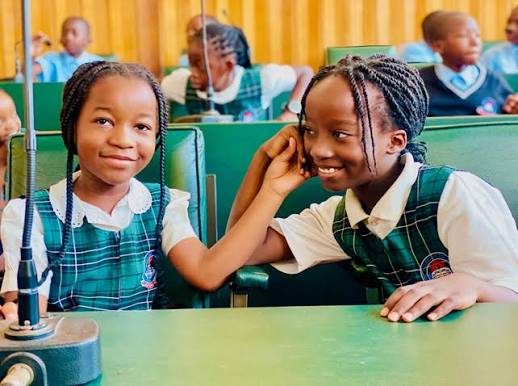
Top 10 Best Private Schools in Zambia
Finding the right school for your child isn’t always easy.
For some parents, academic results are the biggest priority. Others may be more interested in smaller classes, sports, boarding facilities, modern classrooms or an international curriculum. And, of course, school fees can make a big difference when deciding what is realistic for the family.
Zambia has a growing number of private and international schools, particularly in Lusaka and other major towns. With so many options available, it can be difficult to know where to start.
In this guide, we’ve put together 10 private schools and independent education options in Zambia that parents can research. This isn’t an official ranking, because what makes a school “best” will depend on the needs of each child and family.
1. International School of Lusaka
The International School of Lusaka (ISL) is one of the better-known international schools in Zambia.
Located in Lusaka, the school provides an international education environment and attracts students from different backgrounds.
Beyond classroom learning, students have opportunities to take part in sports, creative activities and other programmes.
For families looking for an international-style education in Zambia, ISL is one of the schools that is likely to come up during their search.
Parents interested in the school should check its current curriculum, admissions process and fee structure before applying.
2. Baobab College
Baobab College is a private school in Lusaka offering education from the early years through secondary level.
The school combines classroom learning with activities such as sports, arts and other extracurricular programmes.
For many parents, having these opportunities alongside academics is an important part of a child’s education.
If you’re considering Baobab, it’s worth finding out about the school’s current academic programmes, fees, admission requirements and facilities.
3. Lusaka International Community School
Lusaka International Community School (LICS) is another established international school in Lusaka.
One of the things that makes international schools attractive to some families is the wider range of educational pathways they can offer, particularly for students who may eventually study outside Zambia.
LICS also provides opportunities for students to take part in sports and other activities outside the classroom.
Parents considering the school should look carefully at the curriculum, fees and requirements for the particular grade they are interested in.
4. Roma Girls Secondary School
For parents looking specifically for a private school for girls, Roma Girls Secondary School is another name worth researching.
The school provides a learning environment designed for female students, with academics forming an important part of the programme.
Choosing a girls’ school can be appealing to families who feel their daughter would do better in a learning environment focused specifically on girls’ education.
Before making a decision, parents should find out about the school’s current academic performance, fees, boarding arrangements and admission requirements.
5. Chengelo School
Chengelo School is located in the Mkushi area and is one of the more established private schools outside Lusaka.
Unlike schools that mainly serve day scholars, Chengelo’s boarding environment makes it an option for families who live outside the area or prefer boarding education for their children.
The school places emphasis on academics while also giving students opportunities to participate in sports and other activities.
For parents considering Chengelo, it is important to look at the full cost of boarding and tuition rather than tuition alone.
6. Simba International School
Simba International School is another school that parents can consider when comparing private education options in Zambia.
The school combines classroom learning with activities outside normal lessons, giving students opportunities to develop skills beyond academics.
As with any school, what matters most is whether the environment and programmes are suitable for your child.
Parents should contact the school directly for the latest information on fees, admissions, curriculum and available programmes.
7. David Kaunda National STEM Secondary School
If your child is particularly interested in science, technology, engineering and mathematics, a STEM-focused school may be worth considering.
David Kaunda National STEM Secondary School places particular emphasis on science and technology education.
For students thinking about careers in areas such as engineering, medicine, ICT and other technical fields, strong foundations in Mathematics and Science can be especially useful.
However, parents should confirm the school’s current status, admission requirements and programme details directly, particularly because school classifications and education policies can change.
8. Mpelembe Secondary School
Mpelembe Secondary School is a well-known education institution in Kitwe on the Copperbelt.
For families outside Lusaka, schools such as Mpelembe provide an alternative to having to move to the capital for private education.
The school has a reputation for taking academics seriously, while students can also participate in activities outside the classroom.
Parents in Kitwe and surrounding areas who are comparing schools can include Mpelembe among the institutions they research.
9. Lake Road PTA School
Lake Road PTA School is another established school in Lusaka.
The school provides education to students at different levels and offers an academic environment alongside activities beyond the classroom.
For parents considering the school, it is worth asking about the current fees, admission requirements, available spaces and the specific programmes offered for the child’s grade.
Location can also be an advantage for families living in and around Lusaka who want a school that is reasonably accessible from home.
10. Kabulonga Girls Secondary School
Kabulonga Girls Secondary School is another established name in Lusaka and is an option for families looking for education for girls.
The school provides students with an environment where they can focus on their academic work while also taking part in activities outside the classroom.
For parents, choosing a school should involve looking at more than the name or reputation. Factors such as academic performance, fees, location, facilities and student support all matter.
Make sure you confirm the school’s current admission information before applying.
How to Choose the Best Private School in Zambia
There is no single private school that will be perfect for every child.
A school that works extremely well for one family might not be the right choice for another. Before making a decision, parents should look at the things that matter most to their own child.
Academic Performance
Start by looking at the school’s academic record.
Find out how students perform in national examinations and whether the school provides additional support for students who struggle with particular subjects.
School Fees
This is an important one.
Don’t look only at the advertised tuition fee. Ask about registration, uniforms, books, transport, meals, boarding, activities and other charges.
The cheapest tuition does not always mean the lowest overall cost.
Location
Think about the daily journey.
A school may look excellent on paper, but if a child has to spend several hours travelling every day, that can affect their routine and overall experience.
Boarding or Day School
If you need boarding, find out what the school actually provides and what is included in the boarding fee.
For day schools, consider transport and how practical the daily commute will be.
Teachers and Class Sizes
Teachers have a major influence on a student’s experience.
Parents can ask about class sizes, teacher-to-student ratios and what kind of academic support is available when students need extra help.
Sports and Extracurricular Activities
Children need opportunities to develop outside the classroom too.
Sports, music, drama, debating, clubs and other activities can help students build confidence, teamwork and other useful skills.
Curriculum
Don’t assume every private school follows the same curriculum.
Find out which curriculum the school uses, what examinations students sit and whether it matches your child’s future education plans.
Facilities
If possible, visit the school before making a decision.
Take a look at the classrooms, laboratories, library, sports facilities and general learning environment.
Sometimes a school visit tells you much more than a website or brochure.
Are Private Schools Better Than Government Schools in Zambia?
Not automatically.
Private schools can offer advantages such as smaller classes, additional facilities, different curricula and more extracurricular opportunities. But this varies significantly from one school to another.
Government schools can also provide a good education, often at a much lower cost.
At the end of the day, the question shouldn’t simply be “Is private better?”
The better question is:
“Which school is the right fit for my child?”
That depends on the child’s needs, the family’s budget, location, academic goals and the individual school.
How Much Do Private Schools Cost in Zambia?
There is no standard private school fee in Zambia.
The amount can vary considerably depending on the school, grade, curriculum and whether the child is a day scholar or boarder.
International schools can also have very different fee structures from local private schools.
Parents should always contact the school directly for the latest 2026 school fees, because fees can change from one academic year to another.
It is also worth asking for a complete breakdown of additional charges so there are no surprises later.
Final Thoughts
Finding the best private school in Zambia is about more than choosing the school with the biggest reputation or the highest fees.
Parents should take time to compare academic performance, teachers, school fees, location, facilities, curriculum, class sizes, boarding options and extracurricular activities.
If possible, visit the schools you’re considering and speak to the administration. Getting a feel for the environment can make the decision much easier.
Whether you’re looking for a private school in Lusaka, Kitwe, Mkushi or another part of Zambia, there are several options worth researching.
And once your child is in school, don’t overlook the importance of exam preparation. For students preparing for Grade 7, Grade 9 or Grade 12 examinations, practising with past examination papers can help them become familiar with the way questions are asked and identify areas where they need more practice.
You can find Zambian past papers and other ECZ examination resources on Zambia Past Papers.
Frequently Asked Questions
What are the best private schools in Zambia?
Some of the private and independent schools parents can research include International School of Lusaka, Baobab College, Lusaka International Community School, Chengelo School, Mpelembe Secondary School and other established schools across the country.
There is no official list of the “best” schools, so parents should compare schools based on their child’s needs.
Which is the best private school in Lusaka?
There isn’t one school that is automatically the best for every student.
Parents should compare factors such as academic performance, curriculum, fees, location, facilities, class sizes and extracurricular activities before deciding.
How much do private schools cost in Zambia?
Private school fees vary widely.
The cost depends on the school, grade, curriculum and whether the student is a day scholar or boarder. Contact individual schools for their current fee structures.
Are private schools better than government schools?
Not necessarily.
Both private and government schools can provide quality education. What matters is the quality of the individual school and whether it meets the needs of the student.
What should parents consider before choosing a private school?
Parents should look at academic results, fees, location, curriculum, teachers, class sizes, facilities, boarding arrangements, student support and extracurricular activities.
It’s also a good idea to visit the school and ask questions before enrolling your child.
Leave a Reply